
What to Pack for South America
Complete packing checklist tailored to South America's climate and culture
Climate Overview for South America
South America's temperate climate creates distinct seasonal patterns across its vast landscapes. You will feel crisp mountain air in the Andes and notice humid breezes along the coastal cities. The weather can shift quickly from warm afternoon sun to cool evenings, at higher elevations. Pack layers. This variability demands clothing that adapts to both mild daytime exploration and cooler nights. You might see morning fog clinging to hillsides before it burns off to reveal clear skies. The southern regions experience more pronounced seasons, while northern areas maintain relatively stable conditions. Preparing for these changes ensures comfort while navigating the continent's varied environments.
Clothing & Footwear
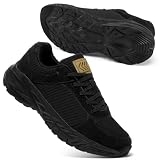
Cobblestone streets in historic South American cities and uneven trails in natural parks demand supportive footwear. You will feel the hard surfaces through thin soles. Choose shoes with good cushioning. Long days of exploration require protection from these unforgiving surfaces.

Humid conditions in many South American regions mean sweat accumulates quickly. Quick-dry fabrics prevent discomfort during city tours. They help manage laundry between accommodations with limited drying facilities. Pack smart.

South American itineraries often involve multiple destinations with different climate zones. These cubes let you organize outfits for mountain towns, coastal cities, and rainforest excursions within one bag. Stay organized.

Use this for daily excursions to South American markets where you might purchase textiles or local crafts. The packable design saves space when not in use during transit between destinations. Essential for shoppers.
Electronics & Gadgets

South American countries use multiple plug types including Type C, I, and N standards. This adapter ensures your devices work in Argentina, Brazil, Chile, and Peru without searching for local converters. One adapter solves it.

Full-day excursions to South American landmarks like Machu Picchu or Iguazu Falls often lack charging points. This capacity provides multiple charges for navigation and photography throughout long exploration days. Power matters.
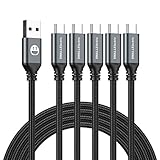
Braided cables withstand rough handling during South American adventures, from bus travel to outdoor activities. Having multiple cables prevents being stranded if one fails in remote areas. Bring spares.
Block out engine noise on long South American bus journeys and create personal space in crowded urban environments. They help you rest during overnight travel between destinations. Sleep better.
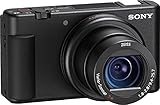
Capture the vivid colors of South American street art, the texture of ancient ruins, and dynamic city scenes without carrying bulky equipment. The wide-angle lens fits expansive landscapes into your frame. Pack light.

The glare-free screen works well in bright South American sunlight during beach reading or mountain overlooks. Long battery life suits remote lodges with limited power availability. Read anywhere.

Older South American hotels sometimes have limited outlets. This lets you charge multiple devices simultaneously while protecting against voltage fluctuations in some regions. Charge everything.
Toiletries & Health

South American domestic flights enforce liquid restrictions similar to international standards. The clear design speeds security checks at airports like Jorge Chávez in Lima or Ministro Pistarini in Buenos Aires. Move faster.

Contains basics for minor issues encountered during South American adventures, from blisters after hiking to small cuts from outdoor activities. Having supplies avoids searching for pharmacies with language barriers. Be prepared.

Winding mountain roads in the Andes and boat trips on South American lakes can cause discomfort. These provide drug-free relief during long transit days across the continent's varied terrain. Travel easier.

Eliminates liquid restrictions for South American flights while reducing plastic waste. Solid bars perform well in different water qualities across the continent and pack easily for multi-destination trips. Go solid.

The protective case keeps your toothbrush clean during South American travel where bathroom surfaces may vary. The hard shell prevents damage in packed luggage during bus and plane transitions. Protect it.

Organizes medications for extended South American itineraries, ensuring you have proper doses during time zone changes. The daily compartments prevent confusion during busy travel days. Stay on schedule.
Documents & Security
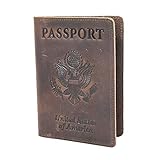
Protects passport chips from scanning attempts in crowded South American transit hubs and tourist areas. The leather construction withstands frequent handling during border crossings between countries. Guard your documents.

Keeps cash and cards secure beneath clothing while exploring South American cities. Use it for daily funds, storing backup cards and larger amounts in your accommodation safe. Hide valuables.
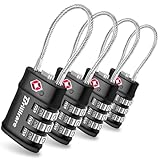
Secure checked bags on South American flights and lock hostel lockers during multi-city travel. Combination locks eliminate key management while moving between destinations. No keys needed.
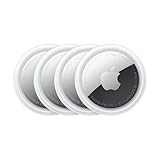
Monitors luggage location during complex South American itineraries with multiple connections. Provides peace of mind when bags transit through busy airports like São Paulo-Guarulhos. Track everything.
Comfort & Convenience

Supports rest during long South American bus journeys and flights between distant destinations. The memory foam contours to your neck despite vehicle movement on winding roads. Sleep soundly.

Blocks early morning light in South American accommodations with less effective window coverings. The contoured design prevents pressure on eyes during overnight travel in seated positions. Rest better.
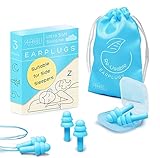
Reduces noise from South American street festivals, lively hostels, and overnight bus travel. Reusable silicone withstands humidity and lasts through multi-week itineraries. Block it out.

Provides warmth during cool Andean nights and on air-conditioned South American buses. The compact size fits in daypacks for spontaneous picnics in parks or beach visits. Stay cozy.
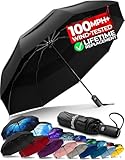
Handles sudden rain showers in South American cities and protects against strong sun at high altitudes. The windproof design withstands coastal breezes and mountain gusts. Weather anything.

Carries purchases from South American markets and is a beach bag for coastal days. The foldable design stores easily when not needed during urban exploration. Carry everything.
Outdoor & Hiking Gear

Trekking poles provide stability on uneven South American trails in places like Torres del Paine or the Inca Trail. They reduce knee strain during descents on steep mountain paths common in the Andes. Worth the pack weight.
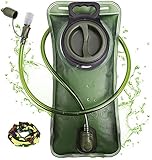
Hydration packs deliver convenient water access during South American hikes where you might taste dust from dry trails. The hands-free design works well on challenging terrain requiring balance. Skip the bottle fumbling.
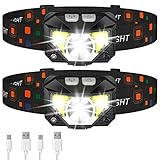
Headlamps illuminate paths for early morning hikes to South American sunrise viewpoints and provide light during power outages in remote areas. The red light preserves night vision. Pack spare batteries.

Water purifiers clean streams during South American multi-day treks, eliminating the taste of iodine tablets. The lightweight system works without electricity in remote regions. Essential for backcountry travel.

Emergency whistles carry sound through dense South American forests where cell signals fail. The compass provides basic orientation when trail markers become unclear. Small insurance policy.
Seasonal Packing Adjustments
What to add or skip depending on when you visit
Summer (Southern Hemisphere)
December, January, February
Add: Higher SPF sunscreen, Lightweight hat with brim, Swimwear, Mosquito repellent
Shop Summer (Southern Hemisphere) essentials →Skip: Heavy fleece layer, Insulated gloves
You will feel intense sun during South American summer, at high altitudes. Coastal areas become humid with occasional afternoon thunderstorms. Pack quick-dry clothing for beach visits and urban exploration. Expect sudden weather shifts.
Winter (Southern Hemisphere)
June, July, August
Add: Warmer mid-layer, Beanie or warm hat, Light gloves, Scarf or neck gaiter
Shop Winter (Southern Hemisphere) essentials →Skip: Minimal swimwear, Very light fabrics
South American winter brings crisp air to mountain regions and cooler temperatures in southern cities. You might see frost in Patagonian mornings before clear afternoon skies. Layering works best. Pack versatile pieces.
Shoulder Seasons
March-May, September-November
Add: Versatile layers, Light rain jacket, Convertible pants
Shop Shoulder Seasons essentials →Skip: Extreme weather items
These months offer mild conditions across South America with occasional rain. You will notice fewer crowds at major attractions. Pack adaptable clothing that handles morning chill and afternoon warmth comfortably. Ideal shoulder season timing.
Luggage Recommendation
Choose a medium-sized checked suitcase or a large travel backpack for South America, complemented by a carry-on sized daypack. You will encounter varied transportation including buses with limited overhead space, domestic flights with strict weight limits, and cobblestone streets difficult for wheeled bags. A 40-60 liter main bag accommodates clothing for multiple climates without exceeding airline restrictions. Include a packable secondary bag for shorter excursions and souvenir transport. Ensure your luggage has reliable locking mechanisms and identifiable markings for easier retrieval in busy transit hubs. Plan for chaos.
Shop Carry-On Luggage on AmazonPro Packing Tips
Practical advice from experienced travelers
Don't Pack
- Leave heavy hiking boots for casual travel. You can purchase adequate trail shoes at local outdoor shops in South American cities like Decathlon in Santiago or outdoor markets in Cusco. Save luggage space.
- Skip full-sized toiletries. South American pharmacies and supermarkets like Farmacias Ahumada in Chile or Drogaria São Paulo in Brazil stock familiar brands at reasonable prices. Buy on arrival.
- Avoid multiple formal outfits. South American dining typically welcomes smart casual attire, even in nicer restaurants. Pack one versatile option instead of several specialized pieces. Less is more here.
- Leave expensive jewelry that draws attention. Local markets offer beautiful artisan pieces that complement your travel wardrobe without security concerns. Buy local. Wear local.
- Skip bulky towels. Most South American accommodations provide towels, and compact travel towels suffice for beach or hostel use. One less thing to carry.
- Avoid large quantities of snacks. South American markets overflow with fresh fruits, baked goods, and local treats that enhance your experience. Eat like a local.
Buy Locally
- Buy local SIM cards at airport kiosks upon arrival, such as Claro or Movistar counters in Lima or Buenos Aires airports. These provide immediate data for navigation. Connect within minutes.
- Seek alpaca wool sweaters and textiles at artisan markets in Andean regions. The quality surpasses typical tourist souvenirs and provides genuine warmth. Worth the investment.
- Purchase regional insect repellent formulations at pharmacies, as local products target specific mosquitoes present in different South American ecosystems. Local knowledge matters.
- Buy sun protection products with high SPF from drugstores, as South American brands account for intense equatorial and high-altitude sun conditions. The sun hits harder here.
- Invest in reusable water bottles with integrated filters from outdoor shops in gateway cities, avoiding single-use plastic while ensuring safe hydration. Smart and sustainable.
Packing Hacks
- Roll clothes instead of folding to save space
- Pack shoes in shower caps to protect clothes
- Use packing cubes to stay organized
- Keep essentials in your carry-on
Continue Planning Your Trip
More guides to help you prepare
Ready to plan your trip to South America?
Now that you've got the research covered, here's where to go next.